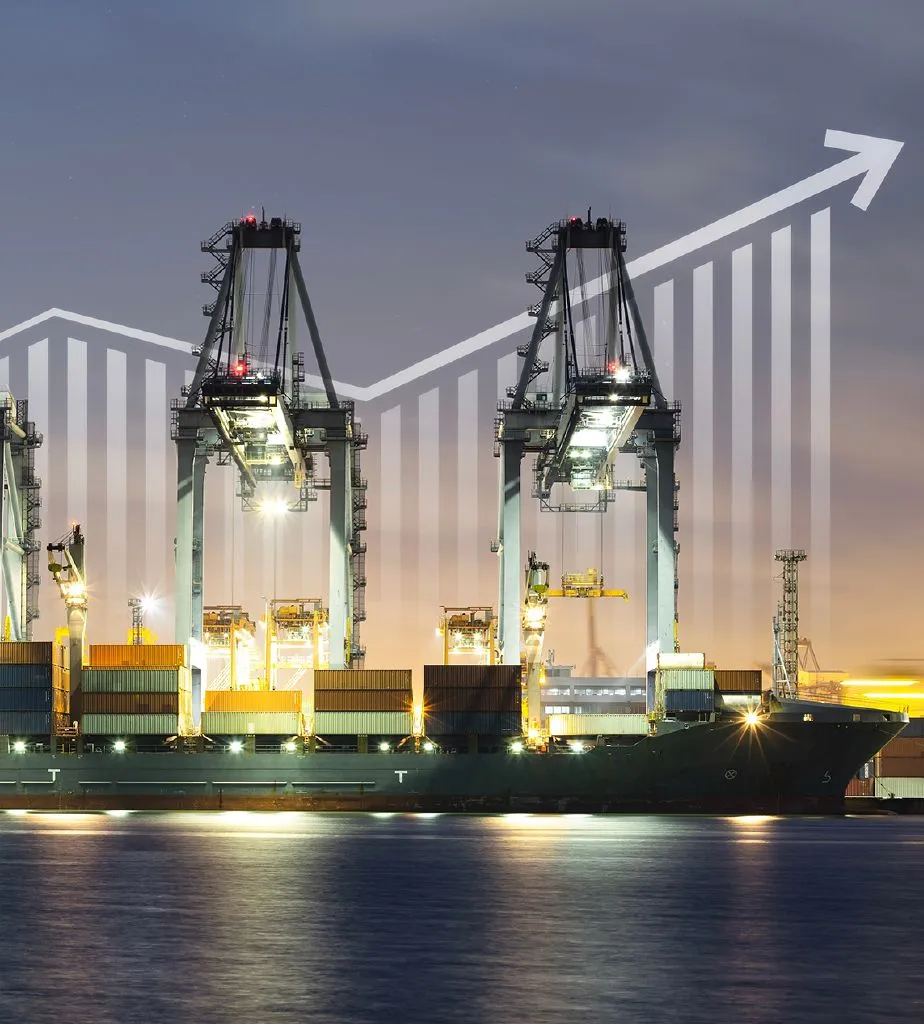
Shipping is a capital-intensive industry where access to competitive ship finance influences the pace of fleet renewal, growth and modernization. Ship financing — most commonly through loan and leasing instruments — is deployed to acquire vessels, refinance existing loans, or to optimize a company’s capital structure.
From single-asset deals to fleet financing schemes, shipowners balance leverage, tenor, repayment profile, pricing, and covenant flexibility against earnings capacity and potential capital gains over the desired investment horizon.
Debt instruments are sourced globally from international banks, regional lenders & other financing institutions, non-bank lenders, credit funds and leasing providers, all of each provide debt instruments typically in the form of mortgage-backed loans or leasing instruments.
In practice, the optimal capital structure blends leverage, corporate recourse or absence thereof, structural flexibility and repayments that may be supported by fixed contractual cashflows stemming out of period charters, all of which weight against the availability of different financing options for a given shipowner profile and reflect on their cost.
Allied QuantumSea supports its shipowner clients through a complex, multi-dimensional financing landscape end-to-end—structuring, negotiating, and coordination the execution of debt or leasing facilities that align with the envisaged investment strategy and optimal capital structure sought.
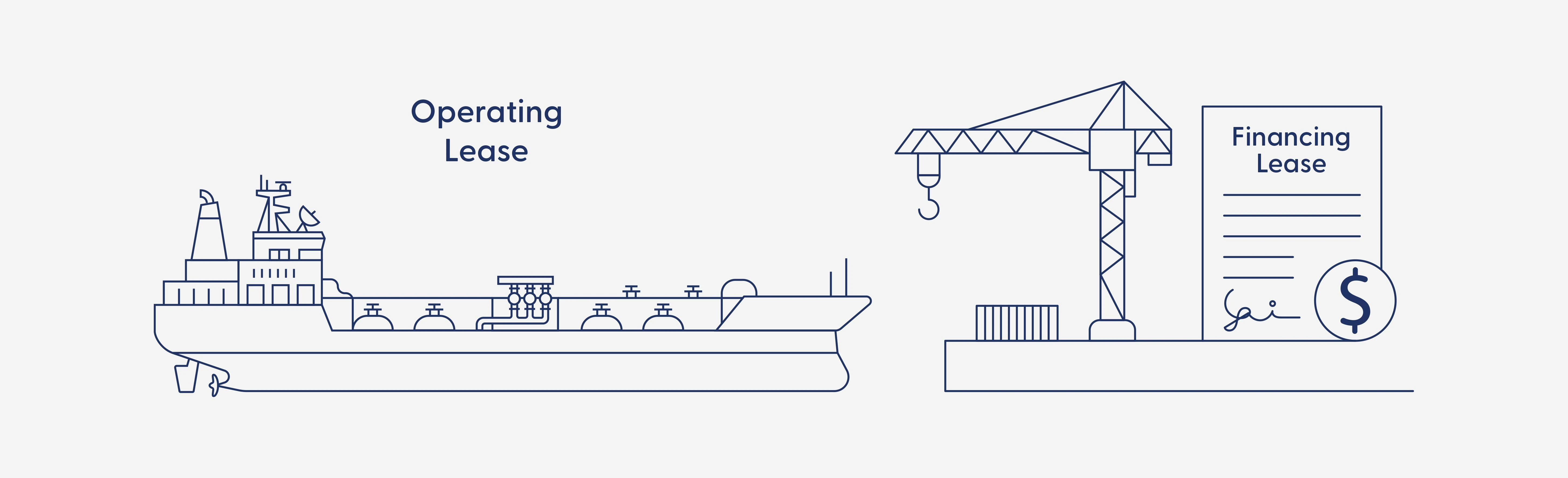
Shipowners and investors can access a host of financing tools:

Capital allocation is as important as capital access. Lower-leverage, lower-cost bank debt can maximize long-run returns through reduced financing expense and lighter cash-flow stress—particularly valuable in volatile freight markets. Conversely, higher-leverage, higher-cost leasing structures can accelerate growth, amplify equity IRRs in strong cycles, and preserve corporate liquidity—at the price of tighter residual obligations and debt servicing strain in downcycles.
Allied’s capital allocation advisory quantifies these trade-offs across different leverage and pricing scenarios, comparing recourse structures including holding company guarantees if available with ring-fenced non-recourse options.
By embodying relevant sensitivity scenarios, we set forward responsible recommendations on optimal investment strategies supported by viable capital structures tailored around specific risk-reward investor profiles.
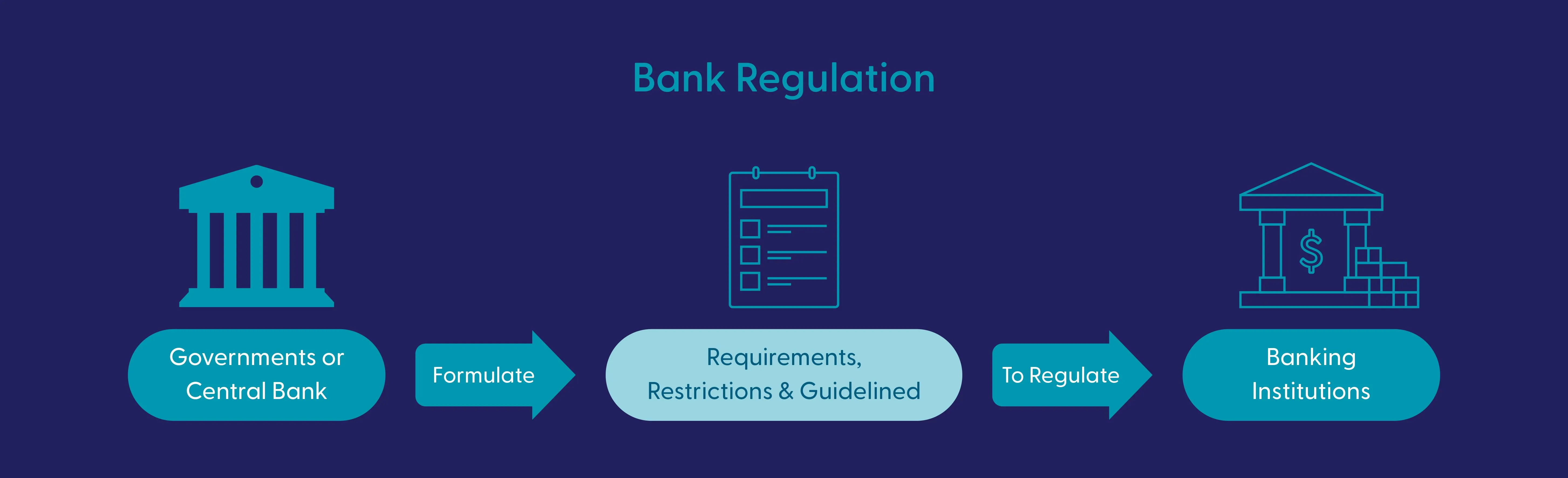
Shipping financiers operate within regulatory frameworks that shape pricing, leverage, and eligibility. EU, US, and Chinese regulations drive bank capital requirements, client and country risk concentration limits, and define portfolio risk weightings — affecting appetite for older tonnage, spot-exposed assets, and higher-emission profiles.
ESG is increasingly embedded: green shipping finance and sustainability-linked features reference measurable KPIs (e.g., CII trajectories, EEOI improvements, verified emissions reductions), with margin step-downs for outperformance and step-ups for underperformance.
Across all facilities, compliance with Anti-Money Laundering (AML), Know Your Client (KYC), and background checks ensure counterparties, physical UBOs, and sources of funds adhere to EU, US and UN sanctions. Engagements are verified at mandate and monitored post-closing, while we abide to documentation and processes reflecting these realities, minimizing execution friction, reputational exposure and maximizing lender readiness as from the outset.

Shipping market outlook, global trade shifts, fleet age profile, newbuildings orderbook and delivery schedule and ship recycling, all key factors affecting the shipping market supply – demand balance, interact with credit cycles in shaping ship lending cyclicality.
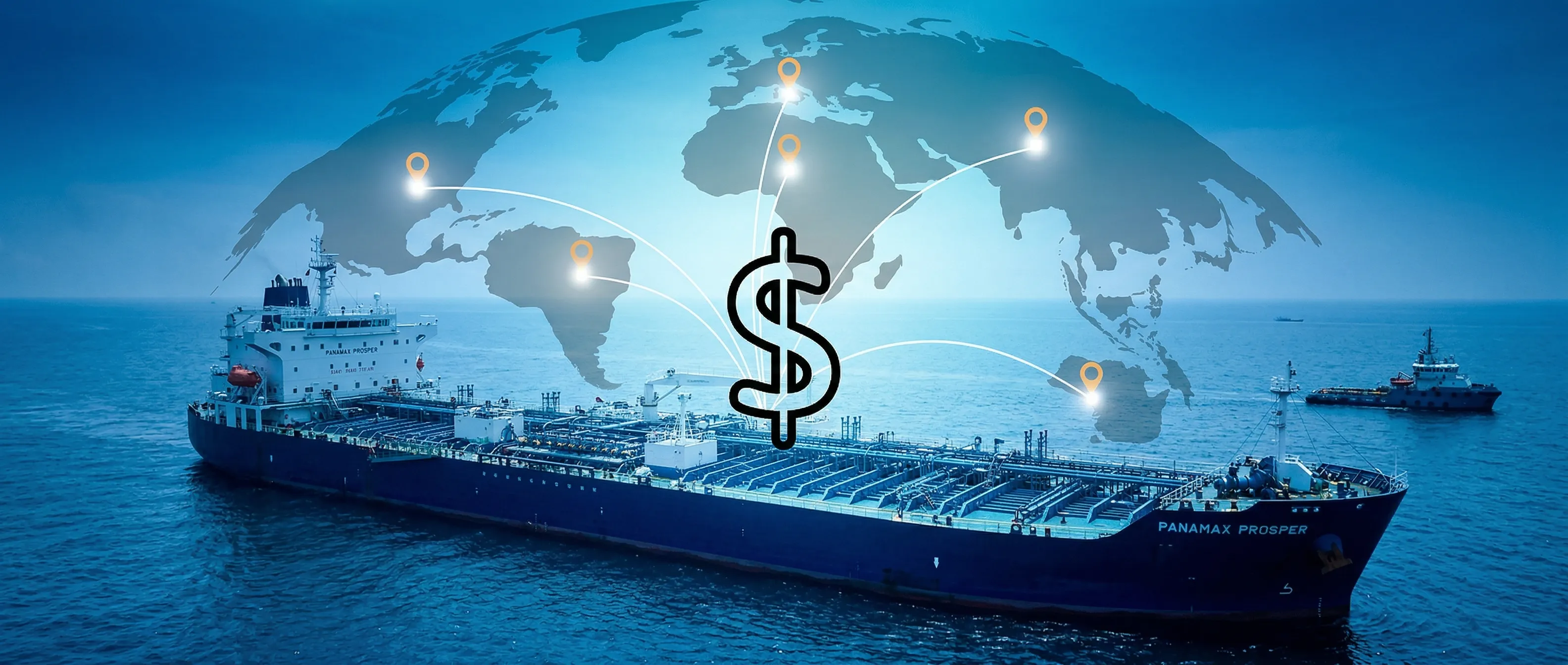
Before approaching financing institutions, shipowners should define corporate architecture and risk appetite. Individual shipowning SPV setup presents a simple structure where liabilities are ring-fenced down to each single asset.

Shipping finance involves several parties with aligned incentives in executing promptly on financing schemes.
Shipowners as borrowers articulate strategy, set out the key financing requirements, invest equity in the projects and in most cases provide operational, technical and commercial management of the financed ships.
Financing institutions which include international banks, regional lenders, non-bank lending platforms, credit funds, export credit agencies and lessors supply capital in the majority of the cases on the basis of asset-backed, senior-secured debt instruments typically reflecting loans or leasing structures.
Specialized maritime legal counsels draft loan, lease, security, corporate and vessel documentation.
Technical consultants conduct vessel inspections and condition surveys as part of the facility drawdown process or for the purposes of collateral monitoring of the financing providers.
Allied acts as financing advisor, arranger and process coordinator assisting in the identification of the optimal source of capital, helping with negotiations, and running a competitive financing process with a view to sourcing best terms. Operational Lease Financing Lease


Allied delivers maritime finance expertise with global reach and hands-on execution—advising on structure and negotiations, arranging a competitive capital raising process and coordinating every step to closing and drawdown.
Whether you’re evaluating a single-ship purchase, a refinancing, the introduction of a new lending relationship, or a multi-asset growth plan, partnering with Allied raises certainty, sharpens pricing, and helps making conscious choices.
Connect the dots with QuantumSea Research, Consulting and Valuations in making cutting-edge financing choices with the backing of our competitive ship and chartering brokers.